


For many veterans, civilian transition is not just about finding a job. It is about finding a profession that still respects discipline, responsibility, awareness, and performance under pressure. That is one reason many former service members eventually start searching terms like bodyguard training, executive protection school, close protection training, private security training, or executive protection certification.
Sometimes those searches happen immediately. Sometimes they happen months later, after a veteran realizes that standard civilian roles do not feel like a strong fit. Not every veteran wants a desk job. Not every veteran wants to start over in a completely unrelated field. And not every veteran wants to move from a mission-driven environment into work that feels passive, vague, or disconnected from the way they naturally operate.
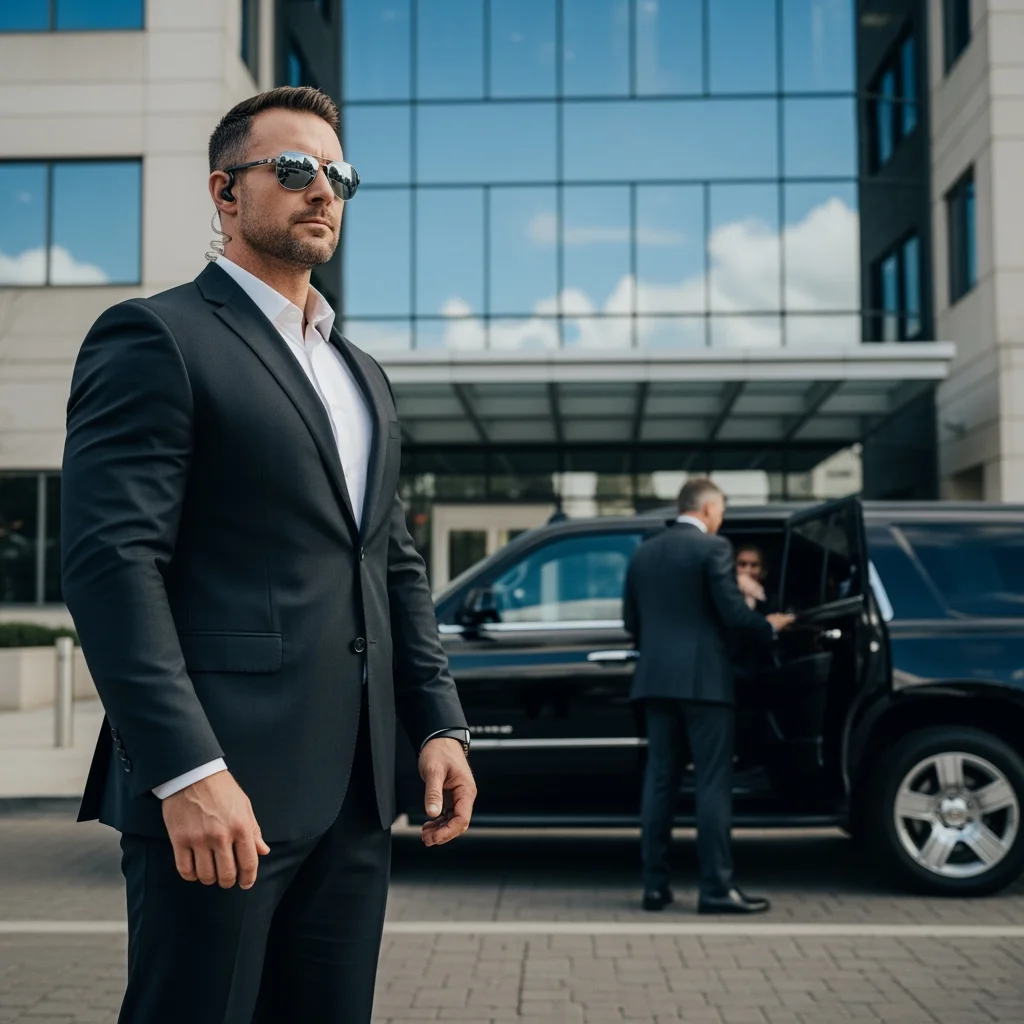
That does not mean every veteran belongs in executive protection. It does mean many veterans should at least understand what the field really is before dismissing it. Because when people hear words like bodyguard or close protection, they often picture the wrong thing. They think of image, intimidation, or ego. Professional executive protection is not built on that. It is built on planning, discretion, preparedness, situational awareness, communication, judgment, and calm execution.
For the right veteran, that can be a very logical civilian path.
Why veterans start looking at bodyguard training and executive protection
A lot of military experience translates better into protection work than veterans first realize.
That includes:
- tactical awareness
- route and environment assessment
- calmness under pressure
- reading people and surroundings
- discipline and restraint
- team coordination
- contingency planning
- communication under stress
- professionalism in sensitive situations
- understanding that real security is proactive, not reactive
These qualities matter in executive protection, close protection, and other professional protective roles. Veterans who were used to carrying responsibility, staying alert, and operating with standards often feel more naturally aligned with this kind of work than with many generic civilian jobs.
This is especially true for veterans searching things like:
- jobs for veterans with tactical skills
- civilian jobs for combat veterans
- careers after military security work
- private security jobs for veterans
- executive protection careers for veterans
- bodyguard jobs for former military
- close protection course for veterans
- executive protection training near me
Those searches usually reflect the same underlying question: where can military-developed strengths still create real value in the civilian world?
What bodyguard training actually means in the real world
The term bodyguard training gets searched a lot because it is familiar, but in professional settings the field is broader and more refined than that phrase suggests.
A credible executive protection training path usually focuses on areas such as:
- advance work and route planning
- protective intelligence awareness
- threat recognition
- low-profile movement
- client-centered professionalism
- communication and coordination
- emergency response mindset
- legal and ethical conduct
- situational decision-making
- de-escalation and restraint
That is why many professionals prefer terms like executive protection training, close protection training, or executive protection course over the word bodyguard alone. The civilian search language may start with “bodyguard,” but the professional standard usually lives under executive protection.
That distinction matters for veterans because the goal should not be finding the most aggressive-sounding path. The goal should be finding a credible profession with structure, standards, and long-term value.
How tactical military skills can transfer without making the mistake of overrelying on them
Some veterans coming out of the military assume that tactical experience alone is enough. It is not.
Tactical skills can help. They can provide confidence, awareness, movement discipline, and composure. But executive protection is not simply military work in civilian clothes. The field requires a shift in mindset.
Professional protective work is often less about visible force and more about:
- avoiding problems before they happen
- staying discreet
- understanding client expectations
- operating with polish and professionalism
- making sound decisions in public-facing environments
- balancing protection with service
That is an important adjustment for veterans. The strongest candidates are often not the loudest or the most image-driven. They are the people who understand that maturity, preparation, communication, and restraint are what make protective work credible.
So yes, tactical skills can be an asset. But they become much more valuable when combined with professionalism, planning, and client awareness.
Executive protection, close protection, and private security are not all the same
Veterans searching for jobs after the military often group all security-related work together. That can lead to confusion.
There are real differences between:
- entry-level guard work
- private security roles
- residential security
- corporate security
- executive protection
- close protection services
- protective driving roles
- advance and logistics support in protection teams
Some positions are relatively basic. Others require much more maturity, training, and trust. Veterans looking for a serious long-term profession should understand those distinctions early.
hat is why search phrases matter. Someone typing “security jobs for veterans” may be looking very broadly. Someone searching “executive protection certification,” “close protection course,” or “bodyguard school for veterans” is usually looking for a more specialized path with higher standards and stronger long-term upside.
Why this path appeals to certain former military personnel
Not every veteran wants to stay close to their military background. Some want a total reset. But others still want work that values:
- readiness
- judgment
- accountability
- mobility
- responsibility
- quiet confidence
- structured training
- serious standards
That is exactly why executive protection school and bodyguard training programs catch the attention of some former military professionals.

For veterans who spent years in high-responsibility environments, the idea of moving into a profession where alertness, planning, and professionalism still matter can feel more natural than trying to force themselves into a role that ignores those strengths.
That does not mean the field is easy. It means the field can make sense.
Common veteran search intent this article is designed to answer
Many veterans do not begin with the term executive protection. They search around the topic indirectly. That includes phrases like:
- best careers for veterans after the military
- high paying security jobs for veterans
- private security training for former military
- bodyguard certification for veterans
- executive protection courses for veterans
- close protection jobs for ex military
- tactical careers after the army
- careers that fit military experience
- jobs for former military with leadership skills
- veteran career change security field
- how to become a bodyguard after the military
- executive protection school near me
- bodyguard course for veterans
This matters because people often discover the field before they understand its proper professional terminology. Good content should meet that search intent without sounding forced, exaggerated, or unnatural.
What to look for in an executive protection school or training course
If a veteran is seriously exploring this direction, the next question is not just whether the field sounds interesting. It is whether the training is credible.
A quality program should help clarify:
- what executive protection actually involves
- how client-facing professionalism works
- how planning and advance work are handled
- what kind of conduct is expected
- what practical skills matter in the field
- how the profession differs from generic security work
- how civilian protection standards differ from military context
Veterans evaluating different options should also think carefully about whether they want a school, certification course, or training environment that feels structured and grounded rather than flashy.
For veterans trying to use education funding as part of the transition, it also makes sense to review GI Bill benefits for veterans before deciding how to approach training.
And if the goal is to understand what a structured executive protection certification course can actually look like, reviewing a program in detail helps separate real opportunity from vague marketing language.
Civilian transition is easier when you stop thinking only in terms of titles
A veteran may leave service and ask, “What job matches my MOS?” That is understandable, but it is often too narrow.
The stronger question is: what kind of work environment, responsibility level, and skill application fit me now?
For example:
- A veteran who excelled in movement, awareness, and calm decision-making may fit executive protection.
- A veteran who worked in planning-heavy environments may fit advance work and logistics support.
- A veteran with strong communication and maturity may fit client-facing protective roles better than they expect.
- A veteran with discipline and leadership may do well in structured private-sector protection environments.
This is why transition works better when veterans translate functions, not just titles.
Research tools can help veterans compare paths more clearly
Before committing to any field, veterans should use outside resources to sharpen their decision-making. It can help to explore career planning tools for veterans and compare broader military-to-civilian job matches. Those tools are useful because they can help clarify whether you want a technical path, an operations path, a service path, or a more protection-oriented profession.
That kind of research should not replace action, but it can help veterans stop making decisions based only on vague assumptions.
Who is most likely to be a good fit for close protection or executive protection
The strongest fit is usually not the person who wants to look important. It is usually the person who already understands:
- how to stay composed without needing attention
- how to operate with discretion
- how to think ahead
- how to read an environment
- how to work professionally around people
- how to keep standards even when nobody is watching
Veterans who naturally carry those traits may find that bodyguard training or close protection training feels less like a random career pivot and more like a disciplined civilian continuation of strengths they already have.
Again, that does not mean everyone coming from the military should go this route. It means veterans with tactical awareness, maturity, and strong judgment should not overlook it simply because the online language around the field is often too shallow.

How to know whether this is worth exploring seriously
If you are a veteran asking whether executive protection, close protection, or bodyguard training makes sense, ask yourself a few honest questions.
- Do you want a profession where awareness and conduct matter?
- Do you want something more serious and structured than generic security work?
- Do you prefer dynamic environments over purely desk-based roles?
- Do you value preparation, professionalism, and responsibility?
- Do you want a path that can use military-developed strengths without forcing you back into a government structure?
- Do you want training that turns your mindset into a recognized civilian direction?
If the answer to several of those is yes, then this path is at least worth deeper consideration.
The right path is not the loudest path. It is the one that fits
Veterans leaving the military often feel pressure to choose quickly. That can lead to rushed decisions and low-ceiling roles. A better approach is to find a profession that actually respects what you already do well.
For some veterans, that will be the trades. For others, cybersecurity, logistics, or public safety. But for others, especially those looking for bodyguard training, executive protection courses, close protection training, or an executive protection school that aligns with their tactical mindset and professional standards, this field may deserve a much closer look.
The best outcome is not chasing a title that sounds impressive. It is building a civilian career that fits your strengths, your temperament, and the kind of future you want after military service.